
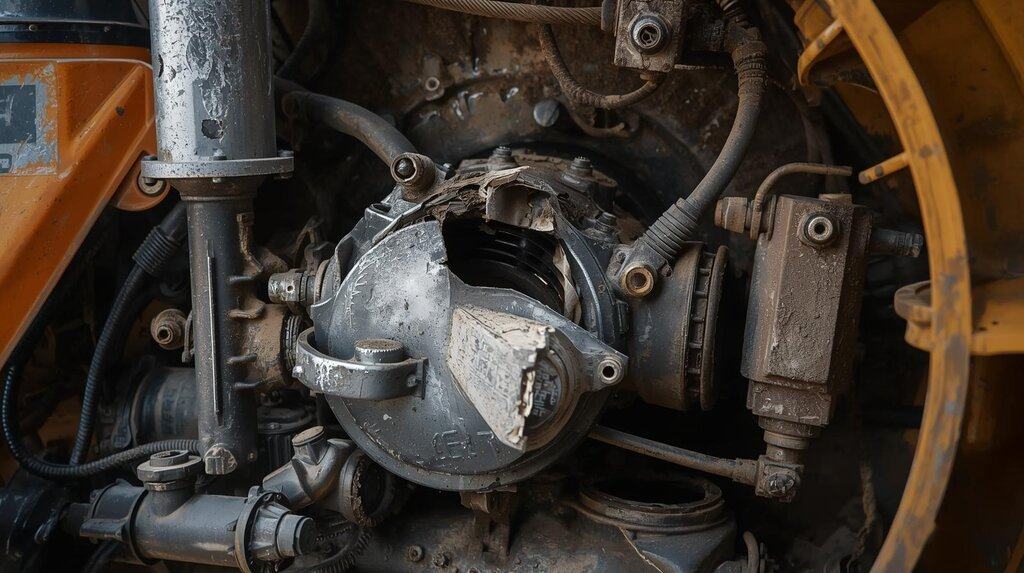
5 Common Bad Blower Motor Symptoms
The blower motor is an essential component of the HVAC system in the cab of heavy equipment. If it fails, cold air, warm air, and ventilation will be affected. In hot construction sites, high-dust environments, or severe cold areas, blower motors often directly affect operator comfort. Even the operating efficiency of the equipment. We talk about common symptoms of abnormal blower motors to help you briefly determine whether there is a problem with the equipment. If there is a problem with the blower motor, it is best to replace it in time.
What is a Blower Motor?
Think of it as the heart of your HVAC (heating, ventilation, air conditioning) system. It has just one job: spin a fan (usually called a “squirrel cage”) to push air through the system.
Turn on the heat, and the blower motor blows air over the heater core. That’s a small radiator full of hot engine coolant. This warms up the cab. Flip on the AC, and it pushes air over the evaporator core to cool the cab down and take out moisture.
Want fresh air? Need to clear a foggy windshield? The blower motor is what makes that air flow. Blower motors in off-road gear, like tractors, dozers, and excavators, are tougher than those in cars. They’re built to work in dusty, damp places with nonstop vibration.
The motor itself is simple: a DC electric motor hooked up to the fan. It gets power through a circuit with a fuse, a relay, and a blower motor resistor or control module. Those parts let you change the fan speed. If the blower motor stops working, your whole HVAC system is dead in the water.
5 Bad Blower Motor Symptoms
Blower motors usually show clear warning signs before they stop working completely. Catching these signs early can keep your cab from getting too hot, too cold, or stuffy. It also cuts down on the chance of your equipment being out of service. Here are the most common blower motor problems on heavy equipment:
No Airflow From Vents
You turn the fan knob or press the button, but no air comes out. You won’t hear the fan running either. This means the motor isn’t getting power at all, or it’s seized up.
Fan Only Works on the Highest Speed Setting
The low gear (1, 2, 3, etc.) is unresponsive, but the fan works fine in the highest gear. Usually, a component in the wind speed control circuit is damaged, such as a resistor or a control relay.
Weak or Reduced Airflow
Although the fan is spinning, the air blowing out of the air outlet is very small. Even when the air volume is adjusted to the maximum level, it is not enough. It may be due to the aging of the motor, a decrease in speed, or a blockage and increased resistance in the system.
Unusual Noises from the Dash Area
After turning on the fan, you can hear abnormal sounds, such as:
- Repetitive “clicking” or slight knocking sounds: Foreign objects may be hitting the fan blades.
- Sharp “squeaking” sound: Mostly, the motor bearings are starting to wear out.
- A loud “buzzing” or grinding sound: This indicates that the motor is in poor internal condition and may be damaged.
Smoke or a Burning Smell from Vents
When you turn on the fan, you can smell a noticeable burning smell or see a little smoke. This is usually overheating of the motor or wiring.
Note: If this occurs, the fan and equipment power should be turned off immediately and a professional should inspect it to avoid further expansion of the electrical fault.
What Causes Blower Motor Problems?
Knowing the symptoms is half the fight. Now let’s break down the root causes—ones that hit extra hard in the tough world of off-road equipment. Most failures fall into three main groups:
Electrical Problems
The blower motor’s circuit is pretty simple, but any part in the chain can fail.
- Blown fuses or bad relays: These are safety parts meant to be the weak spot. They often fail because of another issue (like a seized motor), but age and repeated heating/cooling can also do them in.
- Failed blower motor resistor: As we talked about, this part has a tough job. It’s always heating up and cooling down, and its electrical coils are fragile. Moisture in the cab causes corrosion too—another top reason resistors fail. This is exactly why you might see the “only works on high” symptom.
- Damaged wiring or connectors: This is a big issue for heavy equipment. Constant vibration makes wires rub through their insulation (causing shorts). Connectors can loosen up (leading to intermittent issues). Dust and moisture get into connectors, causing corrosion that builds up resistance, creates heat, and eventually makes them fail. The main power connector on the blower motor is a common trouble spot.
Mechanical Wear and Tear
The blower motor is one of the few moving parts in your HVAC system—and moving parts wear out over time.
- Worn motor bearings: The motor spins on small bearings or bushings. After thousands of operating hours, these just wear down. Dust and dirt that get past the filter speed up this wear a lot. Once bearings fail, the motor gets noisy (squealing or grinding) and will eventually seize.
- Worn motor brushes: Inside the DC motor, small carbon blocks called “brushes” send electricity to the spinning part. These brushes are designed to wear down over time. Once they’re worn beyond their service limit, the motor stops working. This is a normal end-of-life issue for brushed DC motors.
Environmental Contamination
The environment you work in is actively trying to break your HVAC system.
- Dust and debris: Dust can enter the motor and wear out the bearings; larger debris, such as leaves, grass clippings, and mud, can block the air conditioning filter or jam the fan. This causes the air volume to decrease, make strange noises, and even cause the motor to jam.
- Moisture: Moisture may enter the HVAC system when working in the rain, cleaning equipment, or when the ambient humidity is high. This can lead to motor rust, corrosion of electrical joints, and, especially, resistance modules, which are more susceptible.
- Vibration: Long-term high-intensity vibration of heavy equipment can easily make electrical plugs loose and wiring harnesses wear out. It will also accelerate the wear of motor bearings.
Conclusion
The blower motor is small but super important on heavy equipment. How it runs directly affects the operator’s comfort, safety, and work efficiency. Know the common trouble signs, like weak airflow, strange noises, or even the motor stopping completely. This helps you spot problems early. Regular maintenance is the best way to make the blower motor last longer.